As temperatures drop and heating systems start running around the clock, facility managers face one of the most critical times of the year for HVAC performance. Heating season is when hidden issues in coils, piping, and system components reveal themselves—often leading to unexpected failures, uneven heating, and costly downtime.
Preparing ahead of time can make the difference between smooth operations and emergency service calls. Whether you manage a commercial building, school, hospital, or manufacturing facility, understanding what to inspect and service before the first cold front hits is essential for reliability and efficiency.
Here’s what every facilities team needs to know before heating season begins.
1. Inspect and Clean All Heating Coils
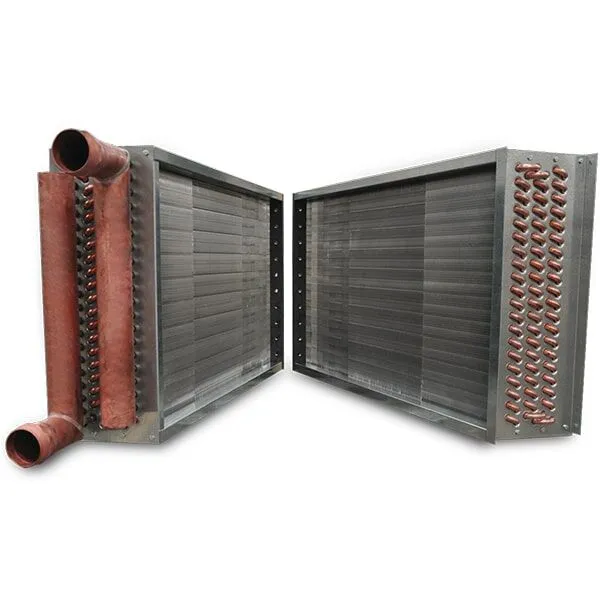
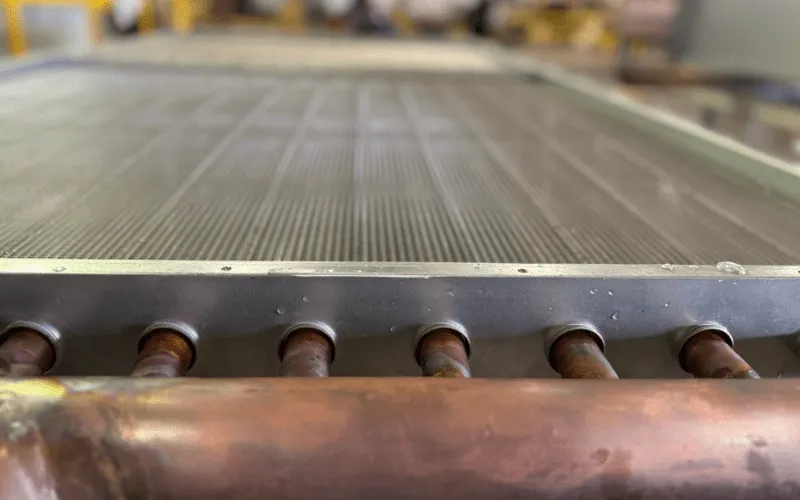
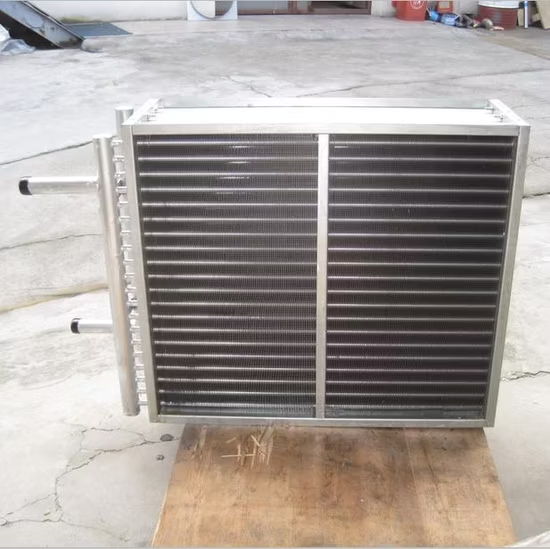
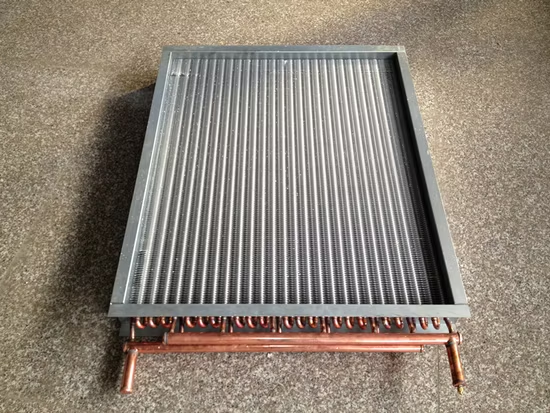
Heating coils—typically hot water or steam—are the heart of your system during winter. Over the summer months, coils often accumulate dust, debris, and moisture residue, which can significantly reduce heat transfer efficiency.
Before startup, inspect all heating coils for:
-
Dust and debris buildup blocking airflow
-
Corrosion or discoloration indicating leaks or chemical damage
-
Bent fins or damaged tubes that can reduce capacity
-
Water carryover or condensate issues in dual-use systems
If buildup is present, coils should be cleaned with a non-corrosive coil cleaner and gently rinsed. A clean coil allows for proper air velocity and full heat exchange—restoring design performance and reducing energy costs.
2. Check for Coil Leaks and Corrosion
Leaks often begin small—tiny pinholes or cracks that slowly worsen under pressure and heat. If left unchecked, these can cause system pressure loss, air introduction, or water damage.
During your pre-season inspection, look for:
-
Wet spots or residue on or beneath the coil
-
Greenish or white deposits (signs of oxidation or scale)
-
Uneven temperature across the coil face, which can indicate internal blockage or partial leaks
Any suspect coils should be pressure-tested or replaced before startup. Replacement coils can be fabricated quickly if measured and ordered in advance—avoiding downtime in the middle of the heating season.
3. Verify System Water Quality
Hot water coils rely on clean, properly treated water to operate efficiently and last for years. Over time, untreated or poorly maintained systems can accumulate scale, rust, or biological growth that clogs tubes and reduces heat transfer.
Before heating season:
-
Test water chemistry for pH, conductivity, and inhibitor levels
-
Flush the system to remove sediment or scale if needed
-
Refill with properly treated water to prevent corrosion and buildup
A proactive water treatment program can add years of service life to your coils and valves while keeping energy efficiency high.
4. Inspect Valves, Controls, and Actuators
Even the best coil won’t perform if hot water or steam flow isn’t properly regulated. Valves, actuators, and control sensors should be tested for response, accuracy, and leaks before full operation.
Checklist:
-
Ensure control valves open and close fully
-
Verify actuators respond to temperature or pressure signals
-
Inspect for steam trap function (for steam coils)
-
Confirm setpoints and sequences are properly programmed
A small issue with a control valve can cause significant temperature swings or cold zones within the facility once heating loads increase.
5. Review Airflow and Fan Operation
Heating coils are only effective if air passes through them at the designed velocity. During off-seasons, filters clog, dampers stick, or fans go out of calibration—all of which can reduce performance.
Before startup:
-
Replace or clean air filters to ensure unrestricted airflow
-
Inspect fan belts and bearings for wear or noise
-
Verify airflow direction and volume meet design requirements
-
Check damper operation for proper modulation and sealing
Balanced airflow ensures even temperature distribution and reduces strain on both coils and fans.
6. Evaluate Coil Performance and Capacity
If certain zones struggled to maintain temperature last winter, now is the time to identify the root cause. Aging or partially blocked coils can lose capacity over time.
Performance testing can include:
-
Measuring supply and return air temperatures across coils
-
Recording water or steam temperatures and flow rates
-
Comparing readings to design specifications
If the coil can’t meet load even with proper flow and temperature, it may be time for a replacement or retrofit coil.
At FastCoils, we specialize in fabricating custom replacement coils that match existing dimensions and performance requirements exactly—helping teams avoid costly mechanical modifications or delays.
7. Plan for Quick Replacement Before Demand Peaks
Winter is peak season for coil failures. Unfortunately, emergency replacements can be costly and slow if not anticipated.
Proactive facilities teams order replacement coils in advance for any units showing corrosion, reduced capacity, or known end-of-life indicators. By having replacements ready—or at least specifications and drawings on file—you can:
-
Avoid long lead times
-
Schedule replacement during off-hours
-
Minimize building downtime
-
Keep occupants comfortable even during extreme cold
FastCoils offers rapid fabrication and delivery of made-in-USA coils—hot water, steam, condenser, and evaporator types—so you can plan repairs around your schedule, not the other way around.
8. Inspect Insulation and Drainage
Heat loss through uninsulated piping or water pooling from improper drainage can quietly undermine your heating efficiency. Check that all valves, piping, and coil headers are properly insulated, and that condensate drains are clear and properly trapped.
Standing water can lead to corrosion, bacterial growth, or freezing in extreme conditions—all preventable with good pre-season inspection.
9. Verify System Startup and Balance
After all mechanical inspections and maintenance are complete, perform a controlled system startup.
-
Gradually increase system temperature and pressure
-
Check for leaks or unusual noises
-
Verify even heating across coils and zones
-
Confirm control sequences function as designed
Balancing air and water flow before full heating loads arrive ensures the entire system runs efficiently and safely.
10. Document and Plan for Next Year
Finally, document all coil conditions, measurements, and service actions during this year’s inspection. Maintaining an updated coil inventory and condition log helps teams plan replacements proactively next season.
By tracking coil age, environment, and performance trends, facilities can shift from reactive maintenance to a predictable, cost-effective lifecycle management plan.
Conclusion
Heating season readiness isn’t just about turning on the boilers—it’s about anticipating system stress points and addressing them before they cause problems. Coils, valves, and controls all require attention to ensure reliable performance during the months when comfort and uptime matter most.
With proper inspection, water treatment, and proactive replacement planning, facilities teams can achieve smoother operations, lower energy costs, and fewer emergency calls.
At FastCoils, we support that mission with high-quality, U.S.-made replacement coils delivered fast and built to perform. Whether you’re planning maintenance or responding to an unexpected failure, our team helps you stay ready for the heating season—without missing a beat.
Contact FastCoils today for expert guidance, quick quotes, and precision-engineered coil replacements that keep your systems running strong all winter long.