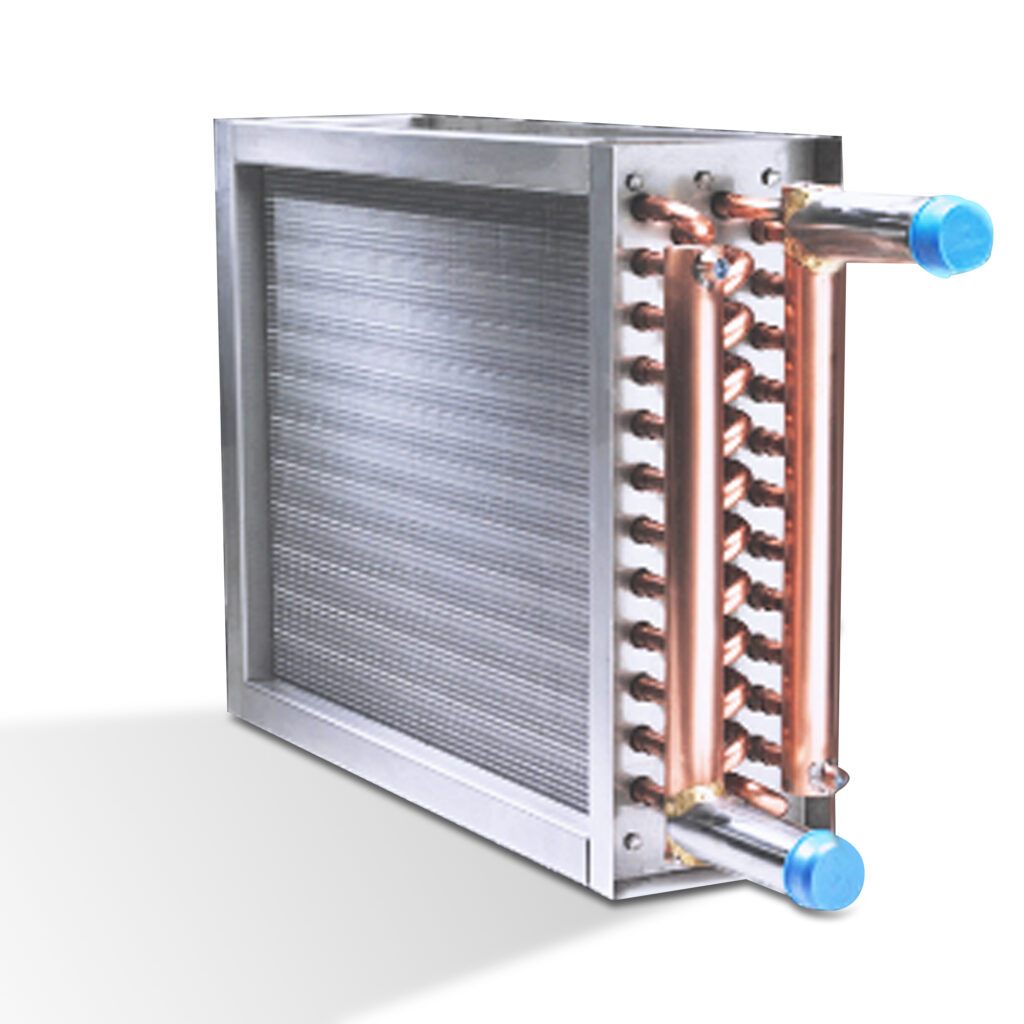
In commercial and industrial HVAC systems, coils play a critical role in maintaining performance, efficiency, and comfort. Yet despite their importance, coils are often treated as afterthoughts—addressed only after a failure has already disrupted operations.
For mechanical contractors, engineers, and facility managers, planning ahead for coil replacement is the difference between a controlled maintenance project and a costly emergency repair. When coil replacements are planned, measured, and sourced proactively, projects run faster, budgets stay predictable, and clients experience minimal downtime.
This article breaks down why coil planning matters, what can go wrong without it, and how to prepare your next project for success.
The Hidden Complexity Behind Coil Replacement
At first glance, replacing a coil may seem straightforward: remove the old unit, install the new one, and resume operation. In reality, coils are custom-engineered components that must fit precisely into existing air handlers, condensers, or process systems.
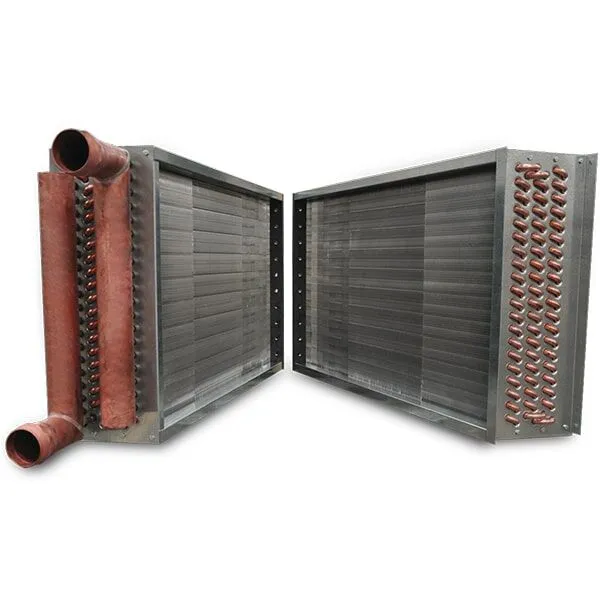
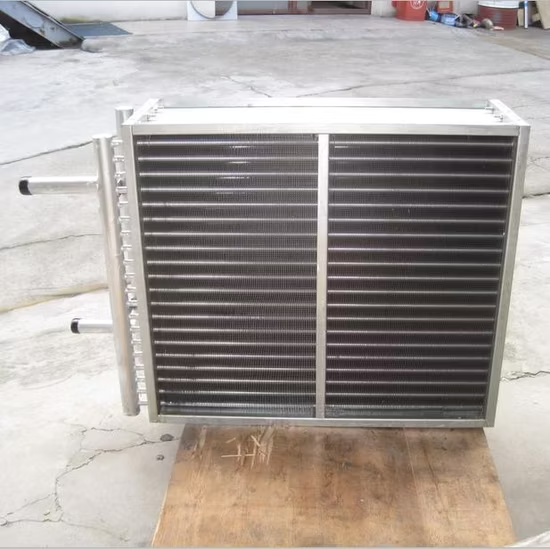
Every coil has unique characteristics—dimensions, materials, tube diameters, fin spacing, and circuiting—that directly affect system performance. A single measurement error or design mismatch can delay installation by days or even weeks.
Without planning, these challenges often result in:
-
Incorrect coil dimensions that don’t fit in the existing casing
-
Extended system downtime waiting for re-fabrication
-
Costly expedited shipping or remanufacturing fees
-
Reduced performance or capacity loss if the replacement doesn’t match system specs
Planning ahead eliminates these risks by ensuring everything—from measurements to material selection—is verified long before a failure occurs.
Proactive vs. Reactive Replacement
There are two main ways contractors approach coil projects:
-
Reactive replacement: The system fails, the coil leaks or bursts, and an emergency order is placed.
-
Proactive replacement: Coil performance is monitored, and replacements are ordered based on lifecycle or inspection data before failure.
While reactive work is sometimes unavoidable, proactive replacement offers clear advantages:
-
No operational disruption: Systems can remain online while the replacement is fabricated and scheduled for installation.
-
Lower total project cost: Expedited fees and overtime labor are minimized.
-
Better engineering control: Design upgrades (coatings, fin materials, circuiting improvements) can be specified thoughtfully.
-
Predictable lead times: Manufacturers can build coils within standard turnaround windows, reducing costs and stress.
In short, planning ahead transforms coil replacement from a reactive scramble into a controlled process.
The Role of Accurate Field Data
Accurate field data is the foundation of any successful coil replacement. When planning in advance, contractors have the time to collect and verify key specifications, including:
-
Fin height, length, and depth
-
Tube diameter and wall thickness
-
Circuiting layout
-
Fin spacing and material (aluminum, copper, coated fins)
-
Connection types and orientations
-
Casing style and mounting details
This information allows manufacturers like FastCoils to produce a true form-fit-function replacement that installs seamlessly into the existing unit.
When measurements are rushed during an emergency, errors are far more likely—which can lead to installation delays, performance issues, or costly refabrication.
Coil Lifecycles and Inspection Schedules
Most commercial HVAC coils have a useful service life of 10–20 years, depending on application, environment, and maintenance quality. However, coils in coastal, industrial, or corrosive environments may degrade much faster.
Planned maintenance programs should include periodic inspection of coil condition. During scheduled service visits, technicians should check for:
-
Visible corrosion or discoloration on fins
-
Tube leaks or pinholes
-
Reduced airflow from debris or oxidation buildup
-
Uneven temperature differentials across the coil
-
Water carryover or drain pan issues
By monitoring these indicators, facility teams can anticipate failures and plan replacements months in advance—ensuring parts are ready before a breakdown occurs.
Material and Design Considerations
When planning coil replacements, there’s also an opportunity to optimize performance and longevity. Proactive planning allows engineers to evaluate improved materials or coatings, such as:
-
E-coat or Heresite coatings for corrosion protection
-
Copper-nickel or stainless-steel tubes for high-corrosion environments
-
Enhanced fin designs for improved heat transfer and efficiency
-
Alternate circuiting for better refrigerant or water distribution
Instead of duplicating the original design exactly, planned projects can leverage modern coil fabrication technology to extend system life and reduce energy use.
Coordinating Lead Times and Project Schedules
Even with a fast-turn manufacturer, every coil project benefits from schedule alignment. Fabrication lead times typically range from a few days to a few weeks depending on coil type, material availability, and project complexity.
Planning ahead ensures:
-
Engineering review time: Submittal drawings can be approved without rushing.
-
Material flexibility: Specialty metals or coatings can be sourced efficiently.
-
Shipping coordination: Freight and delivery can align with installation windows.
-
On-site preparation: Access, rigging, and removal logistics can be arranged in advance.
FastCoils specializes in accelerated manufacturing, but even the fastest turnaround performs best when paired with strong planning and communication.
Reducing Total Cost of Ownership
A well-planned coil replacement project minimizes both direct and indirect costs:
-
Lower fabrication costs: Standard turnaround instead of expedited production.
-
Reduced labor time: Correct fitment eliminates field modifications.
-
No emergency fees or overnight shipping.
-
Better energy performance from properly matched coils.
-
Longer system lifespan with upgraded materials and coatings.
The savings extend beyond the coil itself—they ripple through the entire system’s operating budget.
How FastCoils Supports Better Project Planning
At FastCoils, we’ve built our process around precision, responsiveness, and partnership. When you plan ahead, we make sure your coil projects stay on schedule and within budget. Our team provides:
-
Rapid quoting and submittal drawings to confirm dimensions early
-
Custom engineering support for retrofit and performance upgrades
-
Manufacturing flexibility for small or large batch orders
-
U.S.-based production for dependable lead times and quality control
Whether you’re managing multiple facilities or a single complex retrofit, we help turn coil replacement from a problem into a predictable process.
Conclusion
Planning ahead for HVAC coil replacement isn’t just good maintenance—it’s good business. By scheduling inspections, collecting accurate data, and partnering with a responsive manufacturer, you can eliminate downtime, reduce costs, and deliver better performance for your clients.
Coils may be small components within large systems, but they have an outsized impact on efficiency, reliability, and comfort. With the right preparation, you can keep every project on time, every system running smoothly, and every client satisfied.
FastCoils is here to help you do exactly that—with precision-engineered, U.S.-made coils delivered fast and built to last.
Contact our team today to plan your next coil replacement before failure strikes.